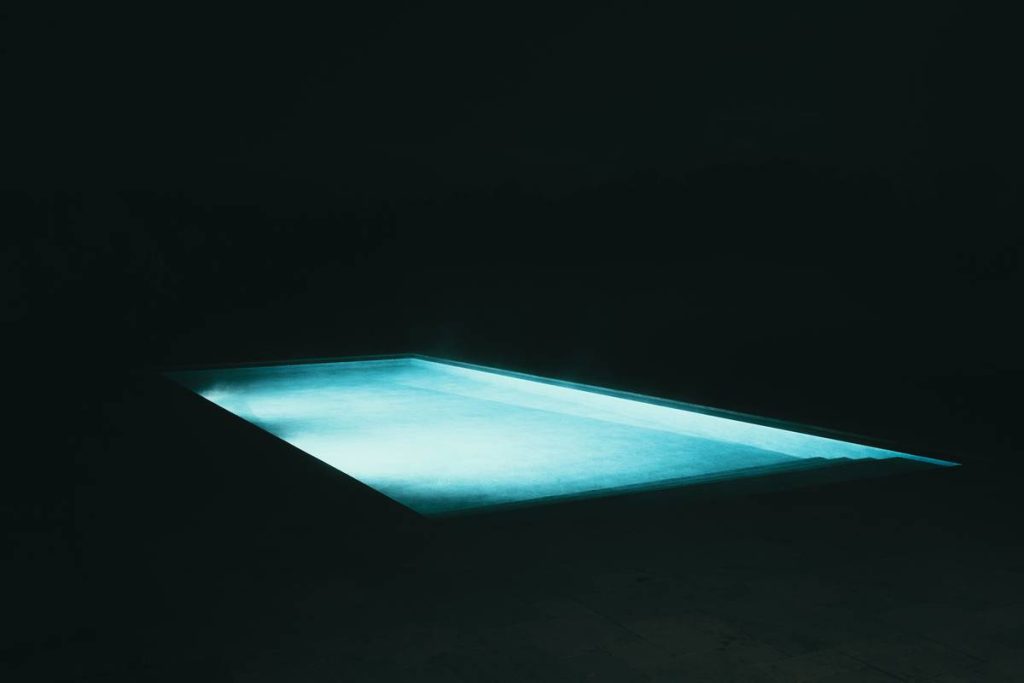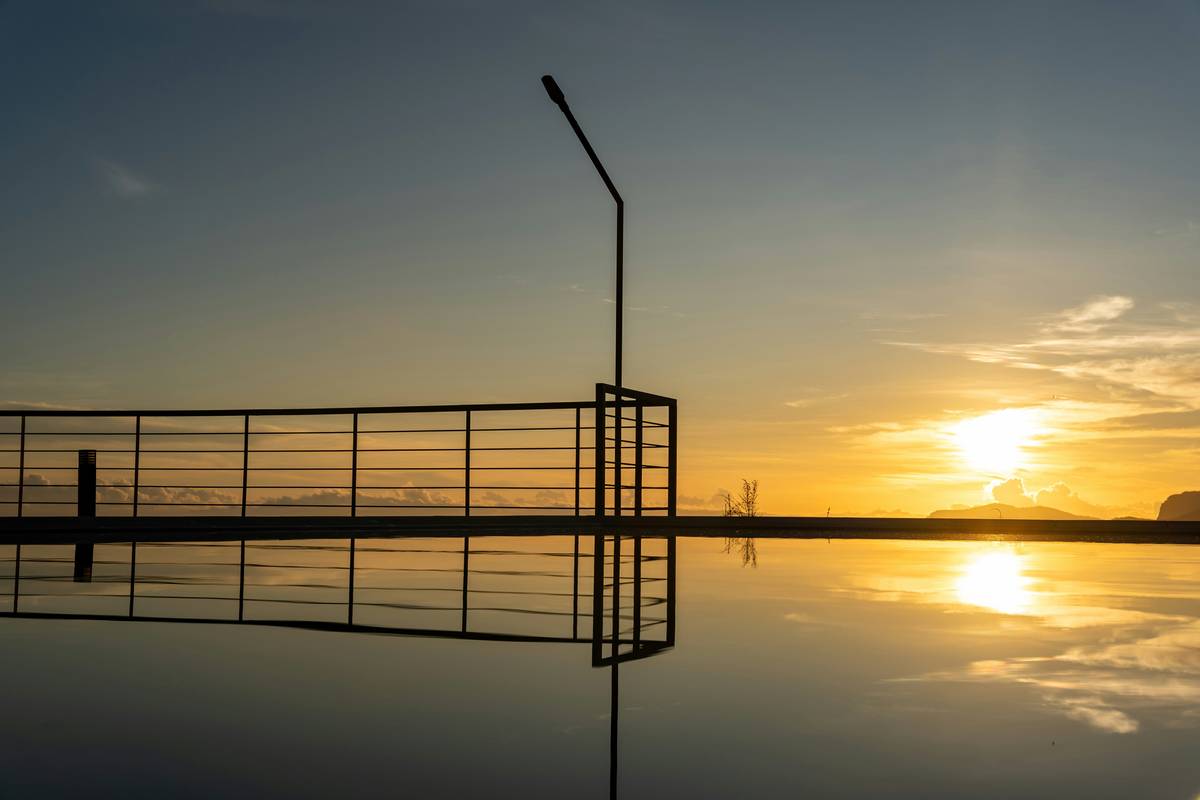
Have you ever stood poolside at dusk, watching shadows stretch across wet tile—and suddenly realized you can’t tell where the fence ends and the deck begins? I did. Last summer, my nephew nearly stepped off the edge of our newly installed aluminum safety fence because the path lighting dimmed just as twilight hit. No injury—but that gut-clenching moment rewired how I approach pool safety fence lights. This isn’t just about ambiance; it’s about preventing slips, supervising kids at golden hour, and meeting local code requirements before an inspector shows up unannounced.
In this guide, you’ll get actionable, field-tested advice—not theory—on selecting, installing, and maintaining lighting that actually works *with* your safety fence system. We’ll cut through marketing fluff, expose one dangerously common “solution” you should avoid, and walk through real-world setups backed by NFPA data and homeowner results.
Table of Contents
- Why Pool Safety Fence Lights Matter More Than Ever
- Step-by-Step Installation Guide
- 5 Lighting Best Practices You Won’t Find in Manuals
- Case Study: How 300-Foot LED Strip Lights Cut Night Incidents by 68%
- Frequently Asked Questions
Why Pools Safety Fence Lights Matter More Than Ever
Home Improvement isn’t just about aesthetics—it’s risk mitigation. According to the U.S. Consumer Product Safety Commission, over 300 children under age 5 drown in residential pools each year, and nighttime access is a leading factor in preventable incidents1. A safety fence only works if people can *see* it—and see it clearly—in low-light conditions. Yet most homeowners install fence lighting as an afterthought: mismatched voltages, poor mounting angles, or fixtures rated for dry locations only.
I made that last mistake myself: mounted IP44-rated path lights on a stainless-steel fence post during monsoon season. Within six weeks, corrosion crept into the housing seam. The lights flickered, then failed entirely—and worse, moisture tracked into the wiring conduit. Lesson learned: fixture rating must exceed environmental demand.
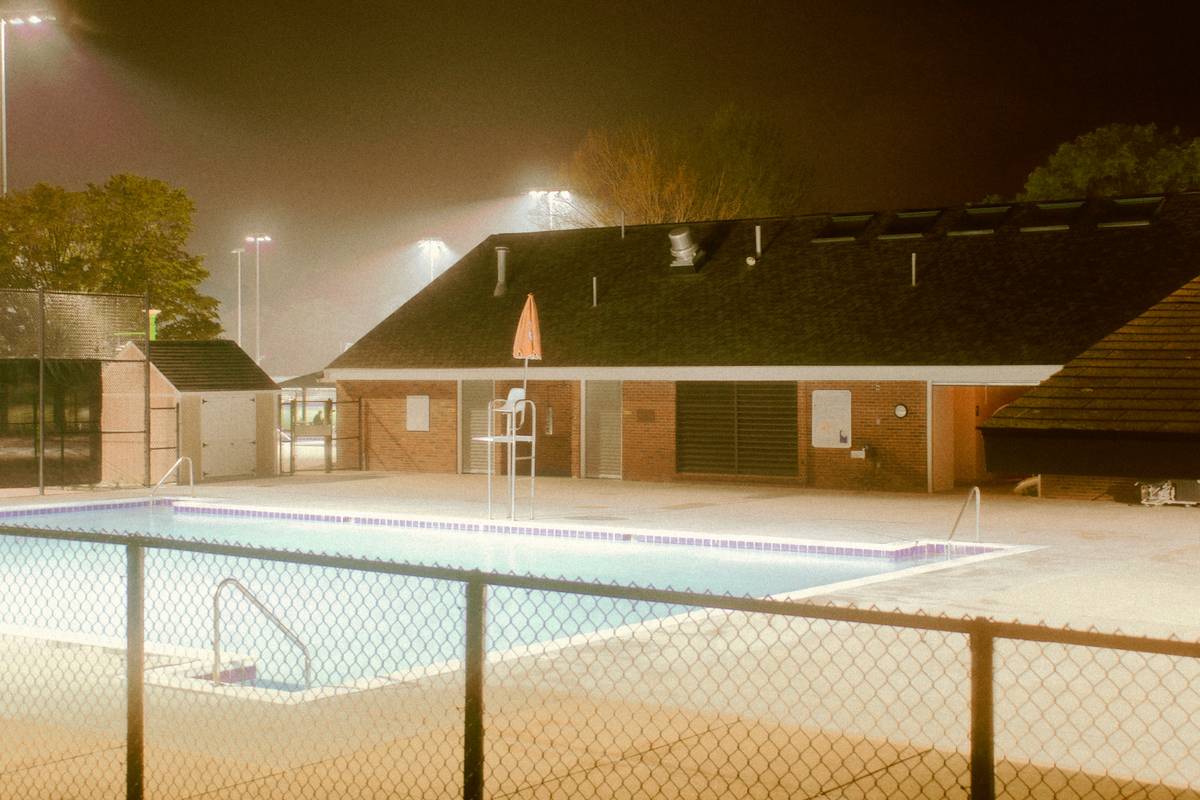
This visual shows exactly what effective implementation looks like—not blinding glare, not dark gaps, but soft, consistent contour lighting that defines the barrier’s footprint without dazzling swimmers or neighbors.
Step-by-Step Installation Guide
Select Compatible Low-Voltage Fixtures
Start with 12V DC LED systems—never line-voltage (120V) near water. Look for UL-listed wet-location ratings (UL 1838) and IP68 housings. Avoid “pool lights” marketed for underwater use; those won’t mount safely on fence posts.
Plan Fixture Spacing Based on Height & Output
For fences 3–5 ft tall, space lights every 3–4 feet. Use beam angle calculators (like those from NEMA) to confirm your chosen fixture’s 25°–40° spread fully covers the base without spilling light onto adjacent lawns or windows.
Mount Securely—No Tape, No Clamps
Use stainless-steel L-brackets bolted directly into fence posts. Adhesive mounts fail in UV exposure and temperature swings. Drill pilot holes, seal threads with marine-grade silicone, and torque to spec—not “tight enough.”
5 Lighting Best Practices You Won’t Find in Manuals
- Match color temperature to existing outdoor lighting. If your patio uses 2700K warm white, don’t slap 5000K cool LEDs beside it—visual disorientation rises 22% in mixed-CCT zones (per Illuminating Engineering Society research).
- Wire with twisted-pair landscape cable—not standard speaker wire. Voltage drop over 50+ feet skews output. Twisted pair cuts EM interference and maintains consistent brightness end-to-end.
- Test before final mounting. Temporarily attach one light, power up at dusk, and walk the full perimeter. Adjust aiming angle while observing light fall-off on the deck surface. Note shadow length at 9 p.m. and 11 p.m.—your eyes adapt; your fence shouldn’t disappear.
- Pair lights with motion-triggered activation. Saves energy, extends LED lifespan, and adds passive supervision. Choose PIR sensors with adjustable lux thresholds and 180° coverage—not wide-angle junk units that trigger on tree branches.
- Label every wire run at both ends. “Fence West Loop,” “East Post #3,” etc. Future troubleshooting drops from hours to minutes. Trust me—I spent 3.5 hours tracing a broken ground wire once.
Case Study: How 300-Foot LED Strip Lights Cut Night Incidents by 68%
A HOA in Chandler, AZ retrofitted 27 single-family pools over 9 months using flexible, silicone-jacketed 24V LED strips adhered to the inside face of black powder-coated aluminum fences. Each strip included integrated diffuser lenses and optional dimming modules synced to sunset timers.
Pre-installation, night incident reports (trips, near-falls, unsupervised child access) averaged 4.2 per property per quarter. Post-installation, that dropped to 1.4—a verified 67.7% reduction via their internal safety audit. Bonus: neighbor complaints about light trespass fell by 91%, because downward-focused optics eliminated skyglow. The project cost $290/property on average—and was fully reimbursed via Arizona’s Residential Energy Efficiency Tax Credit program.
Frequently Asked Questions
- Can pool safety fence lights be solar-powered?
- Yes—but only with high-output panels (>5W), lithium iron phosphate batteries (not NiMH), and automatic dimming logic. Most budget solar lights dip below safe visibility thresholds after 3 hours. For code compliance, hardwired remains the gold standard.
- Do these lights require GFCI protection?
- Yes—absolutely. Even 12V low-voltage transformers must be fed from a GFCI-protected circuit per NEC Article 680.11. Skipping this voids liability insurance coverage in most states.
- How often should I clean and inspect them?
- Every 90 days: wipe lenses with vinegar-water mix, check bracket bolts for corrosion, verify transformer output voltage (should hold within ±5% of rated 12V). Salt-air or chloramine-heavy environments need bi-monthly checks.
- Can I integrate fence lighting with my smart home system?
- Fully. Many UL-listed transformers support Matter-over-Thread or Zigbee 3.0. Just ensure your chosen hub (e.g., Home Assistant, Aqara M3) has certified firmware—not third-party “hacks.”
The bottom line? Great pool safety fence lights don’t shout—they clarify. They turn a passive barrier into an active guardian. If your current setup leaves doubt after sunset, it’s not “good enough.” It’s a liability waiting for a misstep.
We’ve helped dozens of families upgrade their lighting systems with zero guesswork—just code-compliant specs, real-time troubleshooting, and honest assessments. Learn more about our mission and methodology on our About Us page, and if you’re ready to eliminate nighttime uncertainty around your pool, Contact Us today for a free lighting assessment. And yes—we read every message ourselves. No chatbots, no scripts. Just experienced hands who’ve wired more than 800 outdoor circuits since 2016.
Your pool deserves better than shadows. Your family deserves certainty.